Everything You Wanted to Know About Coaching but Were Too Afraid to Ask
News views and events from Leadenhall
Contact us now
News views and events from Leadenhall
By Chris Woodman
Leadenhall is celebrating its 15th Anniversary in 2026. In those 15 years we have witnessed the transformation of the coaching industry from a ‘black book’ boutique service reserved for a handful of executives to the present day where it spans digital platforms, team and group formats, parental-transition support, and AI chatbots. The number of certified coaches has increased sixfold globally and ninefold in the UK (ICF data on certified coaches) since 2011. I wonder how many HR related services have transformed so much over such a relatively short period of time and continues to change at a phenomenal rate.
Early years of coaching
The roots of coaching can be traced back to before the 1970’s in management training in business which drew on behavioural psychology and in sports where coaches were exploring mental focus. The generally acknowledged breakthrough came with the book ‘The Inner Game of Tennis’ by W. Timothy Gallwey who reframed performance as an inner conversation between self 1 (critical voice) and self 2 (natural ability). He began to work with corporates on ‘inner game’ workshops.
Executive Coaching, a premium service for senior managers, grew significantly in the US and then globally with consultants such as Sir John Whitmore developing his famous GROW model. By the 1990’s, which is when I began buying coaching services as an HR Director, professional coaching was developing apace with professional bodies such as the ICF developing coaching standards and codes of ethics. Although coaching was developing as a service to enhance performance and enable development and growth, there were many cases where coaching was seen as an intervention to improve and unsatisfactory situation, a remedial exercise, which affected the reputation of coaching.
Coaching made considerable progress in the early 2000’s as professionalism developed, some larger global firms developed internal coaching teams and coaching began to spread beyond the ‘C suite’. The increasing use of 360-feedback tools and personality questionnaires increased data available and made outcomes more measurable.
The Transformation
When Leadenhall was founded the market in the City of London and for financial services for coaching services was still fairly traditional. HR Directors would have their panel of coaches, and the service was primarily senior executives. Larger international banks had people dedicated to managing coaching assignments and there were some internal coaches. The beginnings of team coaching were emerging, and we undertook our first team coaching assignment in 2013. There were a few boutique firms who were known by the HR community such as Manchester Square Partners and Praesta but overall, the market was incredibly fragmented with individual coaches plying their trade.
The 2010’s saw increasing specialisation of coaching services, parental transition coaching, group coaching, team coaching and out in California the earliest digital coaching platform, Betterup was launched and began its growth path and later in the decade Thrive. By the end of the decade other firms began developing platforms so that 2020 saw the launch of Coachhub, Ezra and, with less fanfare and on a modest level, Coaching on Demand and many other platforms. During this decade more people were taking qualifications in coaching and the perception of coaching was becoming more positive and more mainstream.
Digital platforms, combined with the impact of the Pandemic, significantly changed the industry for good and bad. For years coaches had worked in person and face to face. Occasionally, they might coach by phone or by Skype. At Leadenhall, a client would get in touch and ask if we had a coach in say Dusseldorf or Birmingham and if we didn’t, that was the end of the conversation. Then, almost overnight, location was no longer a constraining factor, coaches and coachees could be in totally different countries and still work together. A combination of the pandemic and coaching platforms meant that coaches began to move online. Initially, there was concern and angst amongst coaches whether coaching over Zoom or Teams was as effective as face to face – but when faced with the pandemic – there was little alternative.
The Digital platforms began the process of ‘democratising’ coaching although it wasn’t long before people suggested that they were also ‘commoditising’ coaching. Coaching was now available to a much broader population of employees. Some large firms partnered with the platforms to implement very large-scale coaching offers. The larger platforms used the subscription model and licences as the basis of their commercial offer. It was ‘all you can eat coaching’ in six months. The larger platforms were paying low hourly rates to coaches to enable their business model to be effective. Investors poured millions of dollars and euros into the larger platform ($600 million for Betterup in multiple funding rounds). They have not returned to markets for additional investments in recent years and it appears that the digital platforms have been able to build viable businesses based on their business model although they are investing in AI coaching to ensure that they do not find themselves out manoeuvred by the next technology.
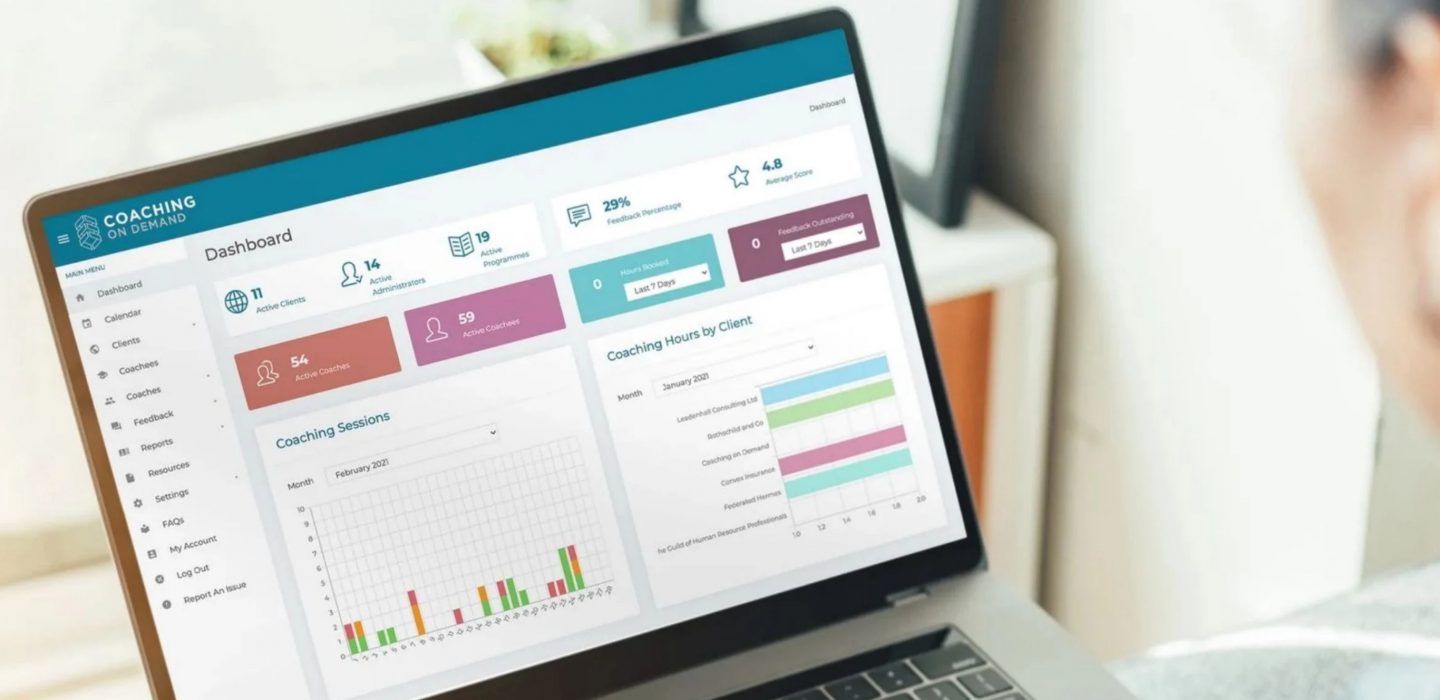
At Leadenhall we decided that we were not tempted to join the scale up subscription model with our platform Coaching on Demand. We decided that we would deliver our coaching services either in person, in the traditional way, or via the platform, but with the same coaches. In the early days of the platform a prospective client said ‘so you have a platform, great, I’m sure it does what it says on the tin – but what about your coaches?’ In the City, clients want to know that the coaches have experience of working in the sector whether it be insurance, asset management, banking and private equity and have the capability of working with people in the front, middle and back offices of those businesses.
The last couple of years have been dominated by the spectre of AI Coaching providing cheap coaching and potentially obviating the need for the literally hundreds of thousands of coaches that have trained over recent years. We are likely to offer an AI solution at some point soon but not to replace our coaches but to provide additional support between coaching sessions. Sam Isaacson’s AIcoach.chat is an example of a good AI coach which can provide good basic support to someone who would like an introduction to coaching at a modest budget level. These AI Coaches are not yet ready to coach the CEO and lack humour, empathy and real human insights but are incredibly good at asking questions that help a coachee explore issues effectively.